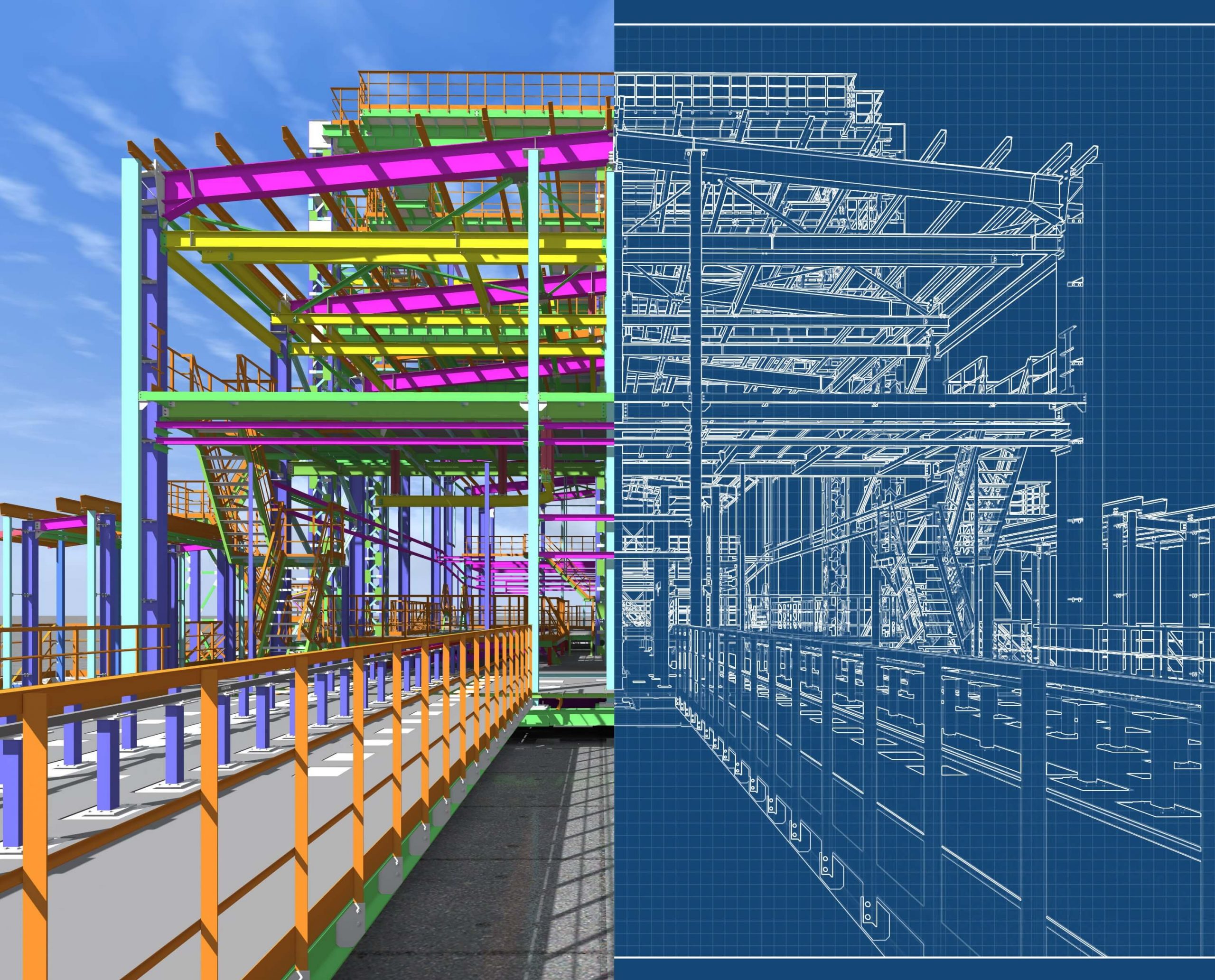
Services
Structural Analysis
Certification-ready structural simulation with explicit assumptions, traceable load cases, and defensible reporting. We cover strength, fatigue, buckling and nonlinear response — from concept screening to design freeze.
Services
Certification-ready structural simulation with explicit assumptions, traceable load cases, and defensible reporting. We cover strength, fatigue, buckling and nonlinear response — from concept screening to design freeze.
Overview
Linear static, deflection control, load path clarity, support/fixture realism.
Eigen buckling screening + nonlinear collapse when stability is critical.
S-N / ε-N approach, damage accumulation, weld/detail focus where needed.
Contact, plasticity, large deformation and assembly effects when linear is not enough.
Model calibration to measured stiffness/strain where validation is available.
Assumptions → load cases → results → margins → recommendations.
Capabilities
Deliverables
Model setup, assumptions, load cases, results, margins, and engineering recommendations.
Plots, tables, critical locations, reaction forces, deflections, stress maps, buckling factors.
Requirements → load cases → analysis runs → acceptance criteria, including versioning notes.
Workflow
Geometry, materials, interfaces, environment, acceptance criteria. We document assumptions explicitly.
Realistic constraints, load introductions, fixture effects. Sanity checks before full runs.
Mesh strategy, convergence checks, sensitivity review where needed (not “pretty pictures”).
Margins, hotspots, redesign actions, and a clear recommendation for sign-off.
Share your constraints and load envelope — we will respond with scope, timeline and deliverables.